For years, pulling into the lot at Van Ness Butler between Seaside and WaterColor meant exactly what it sounds like: pull in, grab a spot, walk to the water. No app, no permit, no math. That changed on April 3, 2026, when Walton County switched on its first paid parking program at three of South Walton's busiest municipal lots. Four months later, with the peak of summer now behind it, the program has settled into something worth understanding if you actually live here rather than just visiting.
The headline fee isn't really the story. The story is who the county built this system to stop, and it isn't the person walking over from their own street.
Three Lots, One County Contract
The program covers the Van Ness Butler Municipal Lot, the County Road 393 Municipal Lot, and the Grayton Beach Municipal Lot, all run under a contract the Board of County Commissioners signed with a private vendor called PCI Municipal Services in late February. Every other municipal lot in the county stayed free. The three paid lots operate from 5 a.m. to midnight, seven days a week, and use license plate readers rather than gate arms or ticket machines, so there's no paper stub to lose in your beach bag.
If you're a Walton County resident, the annual pass costs $5 plus a $3.50 processing fee, registered against your license plate through a system called ParkLync. You can register up to four vehicles per household, which covers most families without needing a second application. Approval takes up to 72 hours, so this isn't a same-morning fix if you show up to the lot without one already on file.
Here's how the resident rate compares to what everyone else pays:
| Pass type | Cost |
|---|---|
| Resident annual permit | $5.00 + $3.50 fee |
| Non-resident annual permit | $205.00 + $3.50 fee |
| Non-resident weekly permit | $90.00 |
| Non-resident daily (no permit) | $5/hour or $15/day, March through October |
That non-resident weekly rate is worth pausing on. When the county first floated the program back in February, the proposed weekly fee for visitors was $120. By the time the lots actually went live in April, the county had trimmed it to $90, a quiet 25 percent cut between proposal and launch. Nobody advertised that change. It just showed up in the final fee schedule, which tells you the county was watching feedback closer than the public meetings suggested.
The Fee Structure Points at Short-Term Rentals, Not Beach Days
Here's the part that matters if you live here year-round: the county has been fairly direct that this program was never really designed to solve a beach-day parking shortage. It was built to stop short-term rental overflow from eating up spots meant for anyone heading to the beach for the afternoon.
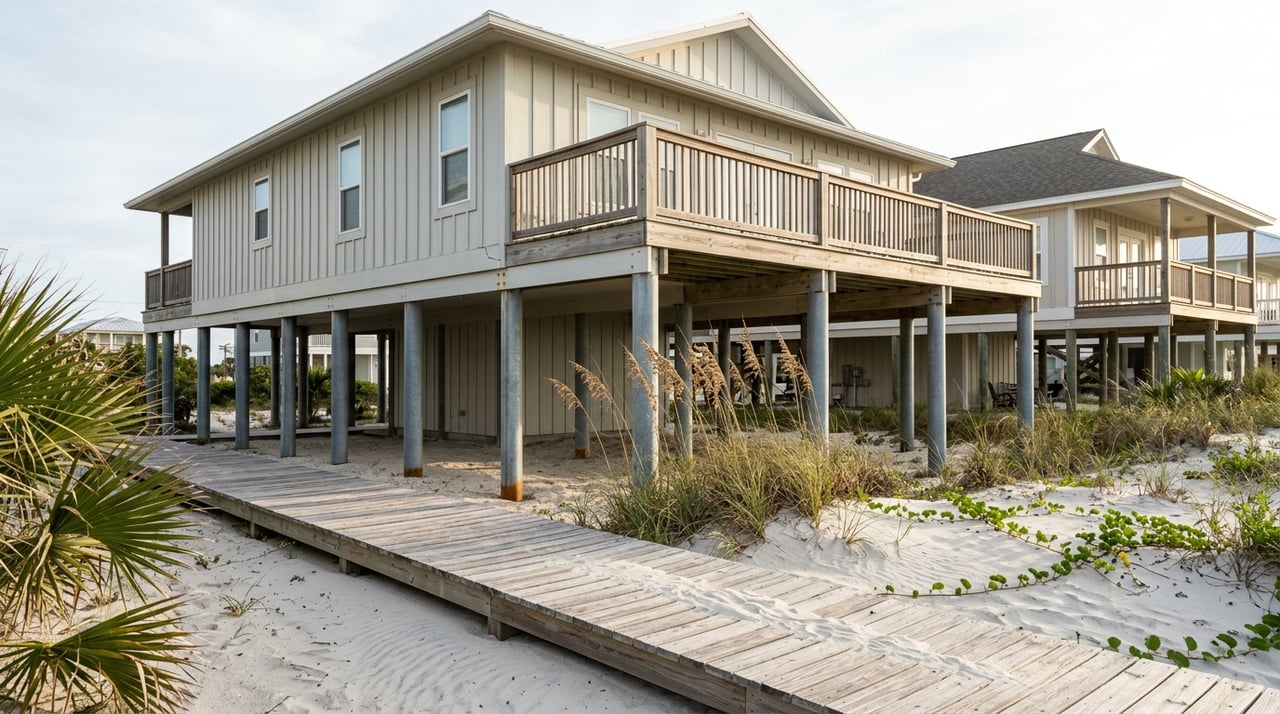
County administrators have said plainly that many vacation rentals along and near 30A simply don't have enough on-site parking for the number of cars renters bring with them, and that those extra vehicles had been quietly filling the free municipal lots week after week during peak season. A resident who lives a mile inland and drives over for a Tuesday swim was competing for a spot with a rental group's third and fourth car parked there for the whole stay. The $5 resident rate versus the $205 non-resident rate isn't really about geography. It's a filter aimed at daily beachgoers versus long-stay overflow, and residents happen to sit on the cheap side of that line by default.
The revenue split backs this up: 60 percent goes to county operations and maintenance of public amenities, and the remaining 40 percent covers PCI Municipal's cost of running enforcement and the permit system itself. This isn't a general fund grab. It's a fee structure paying for its own upkeep.
The Overnight Fine Nobody Who Lives Here Should Ever See
The lots close to parking between midnight and 5 a.m., and the fine for leaving a car there overnight is $500 if you pay within 30 days, jumping to $750 after that. That's a steep number for a municipal parking violation, and it's steep on purpose. The county has said the intent is specifically to keep these lots from becoming free overnight storage for rental guests whose driveways ran out of room.
If you live nearby and park for a normal beach morning or a sunset walk, this rule will never touch you. It exists entirely because someone, somewhere, was leaving a car in the Grayton Beach lot for a week at a time instead of paying for adequate parking at their rental. The blackout hours line up exactly with when the lots are closed anyway, so the fine isn't punishing late-night beachgoers. It's punishing people using a public lot as private storage.
Grayton Central and the Building Boom You Might Have Missed
The Grayton Beach Municipal Lot has a nickname locally: Grayton Central. It's a $12.9 million facility that opened this June with 204 parking spaces, including dedicated spots for ADA-accessible vehicles, electric cars, low-speed vehicles, and bikes. It also connects directly to the county's multi-use path, which means it now functions as a real stop for people biking the Timpoochee Trail or running errands in Grayton Beach, not just beach parking.
A similar project has been underway in Miramar Beach. The Driftwood Road Municipal Parking Facility, a quarter mile from the Miramar Regional Beach Access, was targeted for a June 2026 completion, adding 82 spaces, air-conditioned restrooms, and a transit stop, plus improvements meant to address stormwater and pedestrian safety issues that have bothered that stretch of road for years. County officials involved in the project have talked about it in terms of who benefits long after the paid parking headlines fade: the people who live here, run businesses here, and manage short-term rentals here, not just the visitors passing through for a week.
The One Lot Without a Tram
Not all three paid lots work the same way day to day. The County Road 393 lot and the Grayton Beach lot both connect to Walton County's free tram network, rebranded this June as Beach Park and Ride. Park once, load your gear, and the tram takes you the rest of the way. Named routes out of the 393 lot include the Ed Walline Express running every ten minutes, plus the Blue Mountain Local and Dune Allen Local running every half hour, with a seasonal Grayton Beach State Park Express added between Memorial Day and Labor Day. The trams run daily from 10 a.m. to 7 p.m.
Van Ness Butler is the exception. As of this summer, it still doesn't have tram service connected to it, which means it functions purely as a park-and-walk lot rather than part of the broader shuttle system. If you're choosing where to park based on convenience rather than proximity to a specific stretch of sand, that's the practical difference between the three.
What This Looks Like From a Business Owner's Side
The rollout wasn't frictionless everywhere. In Grayton Beach, the general manager of AJ's, Mike Cover, said publicly around launch that he worried beachgoers would start parking in the restaurant's private lot to dodge the meter next door, pushing out paying customers in the process. AJ's brought in a towing contractor to monitor its lot specifically because of that concern. It's a small detail, but it's the kind of second-order friction that only shows up once a policy meets an actual commercial strip rather than a planning document. If you're parking anywhere near a business lot along 283, checking for tow-away signage isn't overly cautious anymore. It's just accurate to how enforcement is actually working this year.
The Practical Takeaway
If you live in Walton County and haven't registered for the $5 resident permit yet, do it before your next beach trip rather than during one. You'll need a driver's license, current voter registration, or a homestead exemption card to prove residency through parkwaltonco.org, and the 72-hour approval window means this isn't something to sort out in the parking lot itself. Once it's on file, it covers up to four vehicles and quietly removes the one piece of friction this whole program was never really built to create for you in the first place.
None of this changes what makes a Tuesday afternoon at Grayton Beach or a sunset walk near Van Ness Butler worth the drive. It just means the drive now ends with a five-dollar formality instead of a free-for-all, and understanding why that formality exists tells you more about how this stretch of coast is being managed than any brochure will.
If you're weighing what it actually means to live along this part of 30A day to day, from parking logistics to the quieter shifts in how the county is investing in its own infrastructure, The Brock Team can walk you through what's changing and what it means for your specific stretch of the coast. Reach out anytime to talk through it.