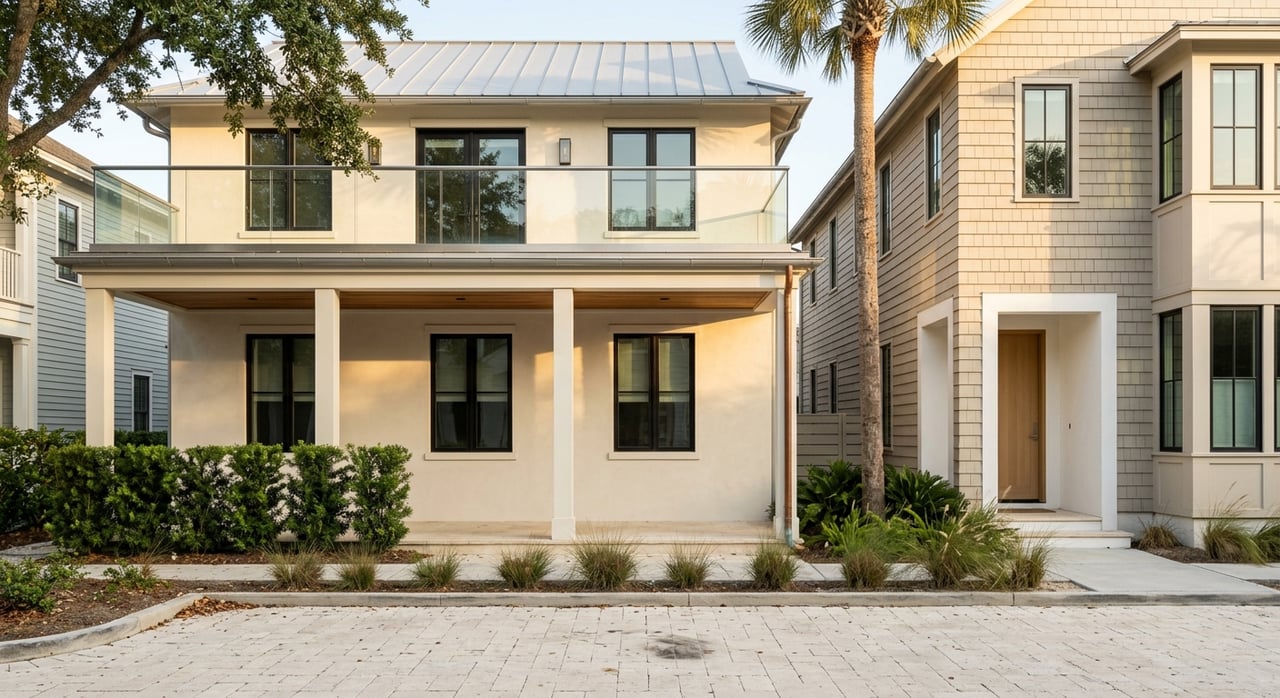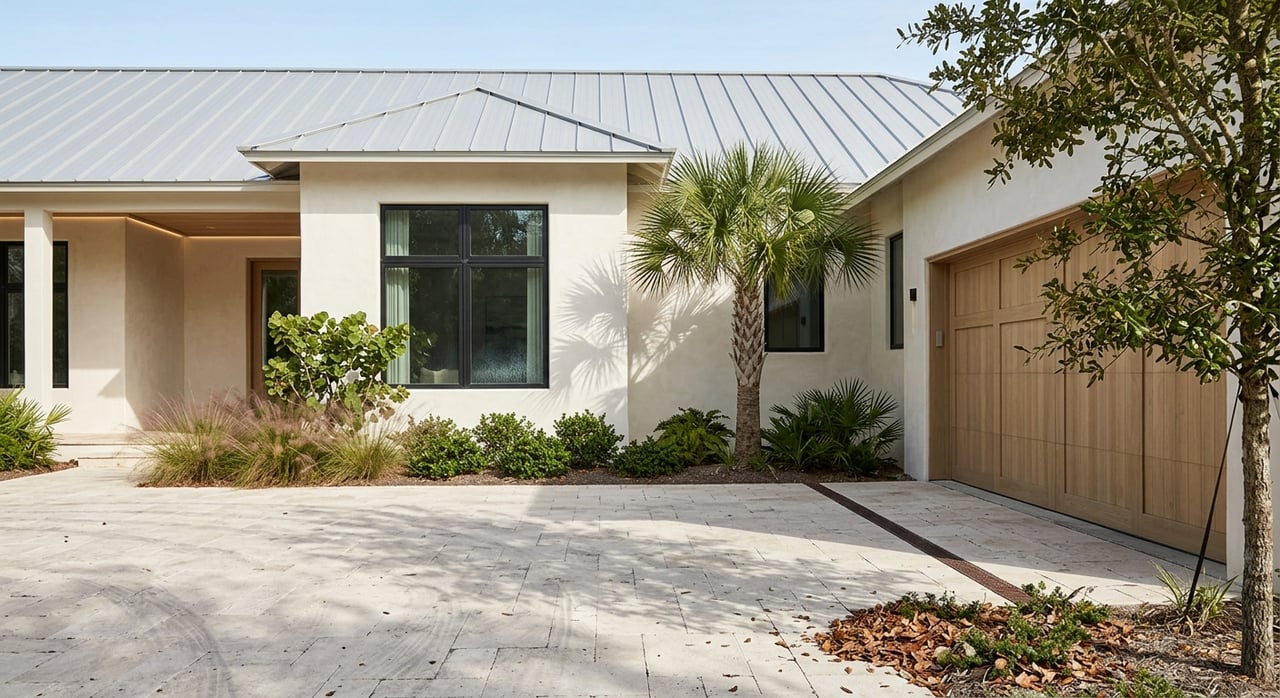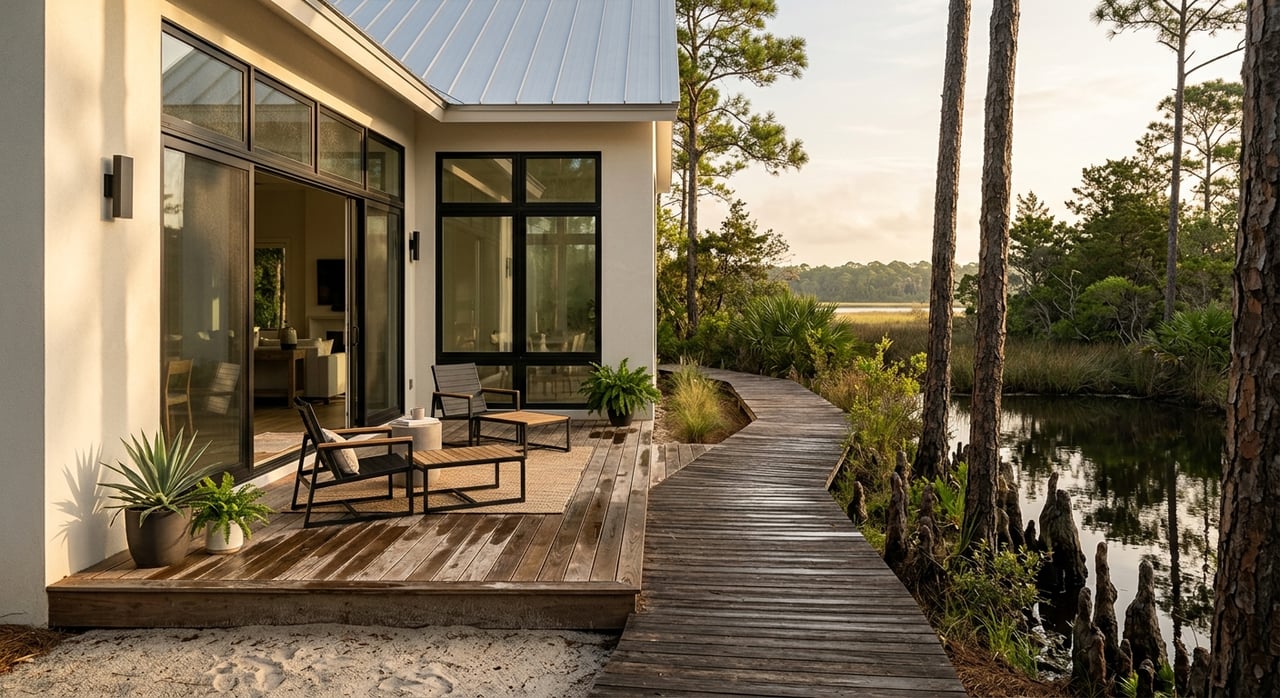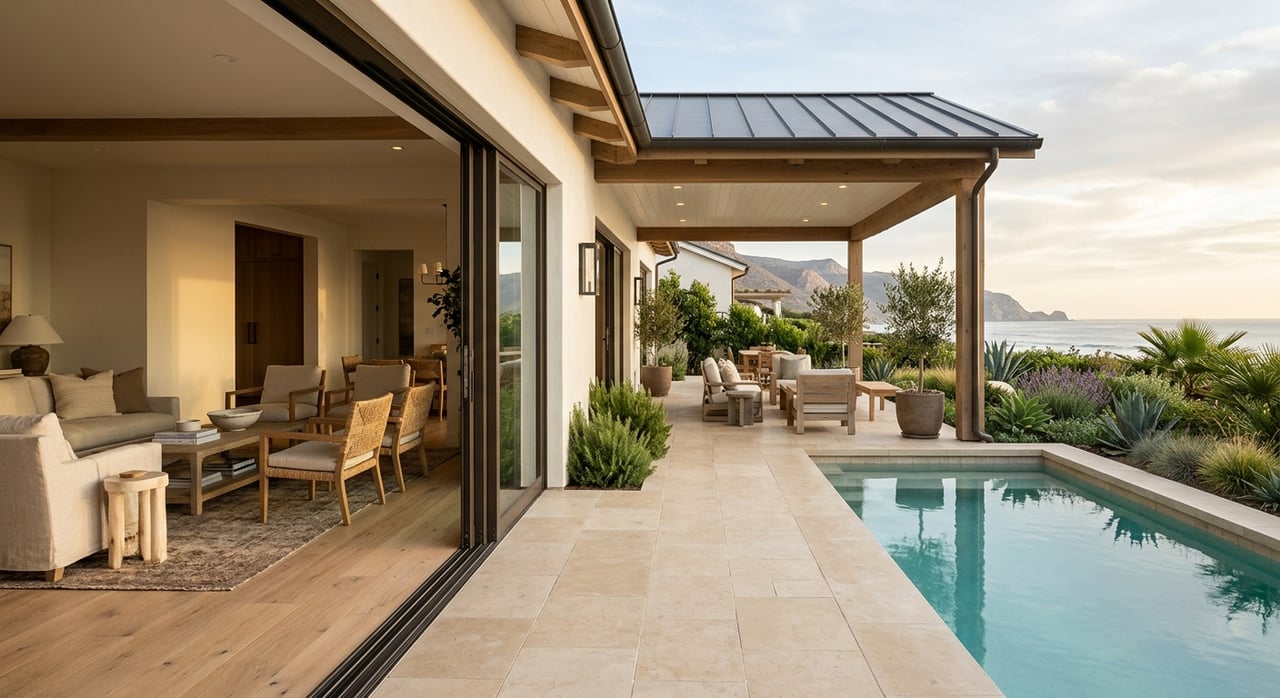
If you want a premium result for your 30A Walton County home, great finishes alone are not enough. In a market where pricing varies sharply by micro-location and buyers compare listings online first, your home needs to look polished, feel credible, and launch with a clear strategy. The good news is that with the right prep, pricing, and presentation, you can position your property to stand out for the right reasons. Let’s dive in.
Why positioning matters on 30A
Walton County remains a high-priced coastal market, but the data also suggest buyers have become more selective. Recent reports show county-level median list prices around the mid-$800,000s, with days on market ranging from about 69 to 79 days depending on the source. That points to a market where strong homes still attract attention, but pricing discipline and presentation matter more than ever.
Along 30A, the numbers climb even higher. Reported median listing prices are around $1.2 million in Santa Rosa Beach and Point Washington, and about $1.9 million in Inlet Beach. That gap is why your home should be positioned against its specific 30A submarket, not just Walton County as a whole.
Start with a hyper-local pricing strategy
A premium sale starts with realistic pricing, not wishful pricing. In 30A, buyers often understand the difference between one street, block, view, or beach access point and the next, so broad county averages rarely tell the whole story.
Your pricing strategy should reflect your home’s exact setting, condition, lot characteristics, view, and overall presentation. A well-prepared property in a desirable micro-location can justify stronger pricing than a similar-size home with weaker visuals or deferred maintenance. The goal is to tell a value story buyers can believe from day one.
Why overpricing can cost you
In a more negotiable market, a premium listing that feels overpriced can lose momentum quickly. Buyers in this segment are often experienced, and many are repeat or cash buyers who move fast when value is clear.
If your home sits too long without a strong response, you may end up chasing the market instead of leading it. A sharper initial price, paired with standout marketing, often protects leverage better than a high starting point followed by reductions.
Prepare the home before it hits the market
The best premium listings do not feel rushed. They debut fully cleaned, visually cohesive, and ready for serious scrutiny both online and in person.
National seller guidance supports a practical prep plan rather than a full renovation. That usually means decluttering, cleaning windows and carpets, refreshing lighting fixtures and walls, and improving curb appeal through landscaping, paint touch-ups, and a welcoming front entry.
Focus on what buyers notice first
You do not need to update everything to improve your sale position. Instead, focus on the areas that shape first impressions and daily livability.
Pay close attention to:
- Entry and curb appeal
- Main living areas
- Kitchen presentation and flow
- Primary suite appearance
- Outdoor living spaces
- Lighting, windows, and overall cleanliness
For a 30A home, outdoor spaces matter just as much as the interior. Buyers are often drawn to the way a property supports coastal living, whether that means entertaining, privacy, low-maintenance ownership, or an easy connection between indoor and outdoor areas.
Consider a pre-sale inspection
A pre-sale inspection is not required, but it can be a smart move for a premium property. It may uncover issues early, giving you time to repair them, disclose them properly, or price with better clarity.
This can also reduce surprises during contract negotiations. In a higher-end market, buyers often expect a smoother process and may react more strongly to unresolved maintenance questions.
Use staging to support a premium feel
Staging can be especially helpful in coastal luxury and second-home markets, where buyers are often responding to a feeling as much as a floor plan. According to NAR staging research, 83% of buyers’ agents said staging makes it easier for buyers to visualize the property as a future home.
That does not mean every room needs a complete redesign. Strategic staging in the living room, kitchen, primary bedroom, and outdoor entertaining spaces can go a long way.
What staging should accomplish
Good staging should make your home feel:
- Bright and spacious
- Comfortable but not crowded
- Clean and current
- Easy to understand room by room
- Aligned with the lifestyle buyers expect on 30A
For premium homes, staging should feel intentional and believable. The goal is not to over-style the property. It is to help buyers picture how the home lives.
Build a stronger digital first impression
Most buyers start online, and that is especially important in a coastal market with second-home and out-of-area buyers. Research shows that buyers place high value on floor plans, high-resolution photos, and 3D or virtual tours.
For a 30A premium listing, those pieces should be treated as essentials, not extras. Your digital package is often your first showing.
The media package that matters most
Consumer research shows the most important listing features include:
- Floor plans
- High-resolution photography
- 3D or virtual tours
NAR research also found that online buyers consider photos, floor plans, and virtual tours highly useful. That means your listing should help buyers understand not only how the home looks, but also how it flows.
Why visuals affect value
Strong visuals do more than attract clicks. Zillow research found that homes marketed broadly on the MLS sell for more than off-market listings, and that listings with high-resolution photography, 3D Home tours, and interactive floor plans sold for about 2% more than similar homes.
In other words, marketing quality is part of pricing strategy. If you want a premium outcome, your home has to feel premium from the first image onward.
Tell the right story
A strong 30A listing should do more than list features. It should explain why the home is appealing in a way that connects with how buyers actually shop.
Buyer research shows that neighborhood quality and convenience to friends and family rank high in decision-making. That suggests your home’s story should include lifestyle value, not just square footage, bedroom count, or finishes.
Lead with lifestyle, not hype
For example, your marketing may highlight:
- Beach access and ease of getting there
- Privacy and quiet enjoyment
- Entertaining flow indoors and out
- Lock-and-leave simplicity
- Natural light and connection to the site
- Proximity to 30A amenities and daily convenience
This kind of storytelling works best when it stays grounded in the property itself. Clear, credible language tends to resonate more than exaggerated claims, especially with experienced buyers.
Get your documents ready early
Premium buyers often expect a clean, organized transaction. One of the best ways to support that expectation is to prepare your documents before the home goes live.
In Florida, sellers are required to disclose facts that materially affect value and are not readily observable. Florida law also requires a flood disclosure at or before contract execution, which makes early document prep especially important for coastal properties.
Key records to gather
For a 30A Walton County home, it is wise to organize:
- Permit history
- Repair and maintenance records
- Appliance or system warranties
- Roof, HVAC, or major system information
- Flood-related paperwork
- Insurance-related details relevant to flood coverage
- Homestead-related records if the property is your primary residence
Walton County’s Property Appraiser notes that homestead exemption applies only to a primary residence, must be based on occupancy as of January 1, and must be reapplied for when moving to a new primary residence. If that applies to your sale, having those records in order can help avoid confusion.
Time your launch with intention
Timing can influence results, but only if your home is truly ready. National housing research suggests late spring often performs well for sellers, with early spring also offering advantages, particularly in Southern markets. Florida can also see a winter bump from seasonal demand.
For 30A, the bigger point is this: work backward from your ideal launch window. Your staging, photography, floor plan, disclosures, and property file should all be complete before your listing goes live.
Why day-one quality matters
Buyers notice when a home hits the market in polished condition. If the property appears complete and well managed from the start, it can create stronger early interest and reduce the need to fix issues while active buyers are watching.
That kind of intentional launch supports both pricing confidence and negotiation strength. In a premium coastal market, first impressions are not a small detail. They are a core part of the sale strategy.
What premium sellers should prioritize most
If you want to simplify the process, focus on the steps that create the biggest impact:
- Price the home based on its exact 30A micro-location.
- Handle visible maintenance and deep cleaning before launch.
- Use strategic staging to improve feel and flow.
- Invest in professional photography, a floor plan, and a 3D tour.
- Prepare permits, flood paperwork, and key property records early.
- Launch only when the listing is fully market-ready.
These steps help you present the home with clarity, reduce avoidable friction, and support a stronger value narrative with buyers.
If you are thinking about selling along 30A, the best results usually come from a calm, well-planned approach rather than a rushed one. A curated strategy can help you protect your time, strengthen your negotiating position, and present your home in a way that feels both elevated and credible. When you are ready for thoughtful guidance on timing, pricing, and marketing your coastal property, connect with The Brock Team.
FAQs
How much preparation does a 30A Walton County home need before listing?
- Most sellers do not need a full renovation. Cleaning, decluttering, curb appeal work, visible maintenance fixes, and a polished presentation usually have the biggest impact.
Is staging worth it for a premium 30A home sale?
- Often, yes. NAR reports that 83% of buyers’ agents said staging makes it easier for buyers to visualize a property as their future home.
Should I get a pre-listing inspection for a Walton County coastal home?
- It is optional, but it can be useful. A pre-sale inspection may reveal issues early so you can repair them, disclose them properly, or adjust pricing before negotiations begin.
What documents should I gather before listing a 30A home?
- Start with permit history, repair records, warranties, major system details, flood-related paperwork, and any homestead-related records if the home is your primary residence.
How should a 30A home be priced compared with Walton County averages?
- It should be priced by its specific submarket, not just county-wide numbers. Santa Rosa Beach, Point Washington, and Inlet Beach can perform very differently from broader Walton County averages.
What marketing materials matter most for a premium Walton County listing?
- Floor plans, high-resolution photography, and 3D or virtual tours are among the most important features for today’s online buyers, especially in a market with many second-home and out-of-area shoppers.